
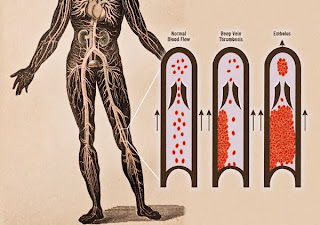
Have you heard of Deep Vein Thrombosis (DVT) or Pulmonary Embolism (PE)? Maybe you're more familiar with the term blood clots.
Thousands of lives are lost each year to preventable blood clots, so during Blood Clot Awareness Month -- and throughout the year -- many in the medical community, including Dr. Cindy Asbjornsen, help to spread the word about this common condition.
Know your risk
The first and most important thing you can do to protect yourself is to learn if you are at risk.
People being treated for cancer, hospitalized with COVID-19, or getting hip or knee replacements are all at greater risk for developing blood clots. But did you know that even athletes may have increased risk factors too?
Read this risk checklist to learn more.
Signs and symptoms
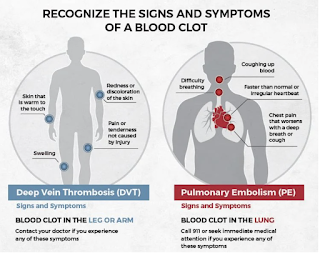
Common symptoms of a blood clot in the leg or arm (also known as Deep Vein Thrombosis or DVT) include swelling, pain or tenderness (not caused by injury), redness or discoloration of the skin, or skin that is warm to the touch.
Symptoms of a blood clot in the lungs (also known as a Pulmonary Embolism or PE) include difficulty breathing, chest pain that gets worse when you breathe deep or lie down, coughing or coughing up blood, or a heartbeat that's irregular or faster than normal.
Prevention
The good news about blood clots is that they are preventable. Once you consider your risk factors and learn the signs and symptoms, then take a look at your family history. If you learn that there is a history of blood clots in your family, tell your doctor and let other family members know.
One important way to prevent blood clots is to not be immobile for too long. If you're confined to a bed either in a hospital or at home (especially following hip or knee surgery), talk to your doctor about your options for blood clot prevention. And if you've been sitting for a long time, including in a car or plane seat, get up and move! Stand up, stretch your legs, and try to take a brief walk every couple of hours. Try this simple exercise to keep the blood flowing.
Treatment
If you do develop blood clots, your physician can help you navigate the best treatment choices for your specific situation. Anticoagulants, or so-called "blood thinners," are commonly prescribed. (Note that these medications don't actually "thin" the blood; what they do is slow the body's ability to form new clots and stop existing clots from getting bigger.
Other treatment options can include compression stockings, thrombolytic therapy, and vena cava filters. You can learn more about blood clot treatment here.

