Showing posts with label leg vein treatment. Show all posts

Tuesday, September 1, 2026

Elevate! Elevation Tips to Relieve Vein Disease Symptoms

There are a variety of vein treatments for varicose veins and other venous diseases. In some cases, elevating your legs can alleviate the pain and/or swelling that comes from early-stage vein disease. 

So, what is elevation and how do you do it? Leg elevation means raising the legs above heart level. The ideal position is to lie on a couch with your back on the cushions and feet up on the armrest, so your feet are at a slight angle higher than the heart. Lying down with your legs resting on three or four pillows also works well. 

Here are more tips on how to get the most out of this accessible therapy: 

  • Elevating at intervals throughout the day can encourage blood flow from the legs and decrease the pooling of blood.  
  • Legs should be elevated as often as possible, for as long as 30 minutes or as briefly as three minutes. 
  • The morning is a good time to elevate. 
  • The best time to elevate is after a hot shower, or after standing for a long time. A good way to remember to elevate is to pair it with your meals or snacks. 

A vein specialist can guide patients on the most effective elevation techniques. “For someone with venous disease, elevation is so important that at the Vein Healthcare Center we have recliners and ottomans in the reception area, so patients can elevate while they wait,” said Dr. Asbjornsen.  

To understand how elevation provides relief, here is a brief review of how veins work. Veins carry blood from the legs and arms back to the heart. The blood in the legs travels up against gravity, so when the valves in the veins become damaged, blood “leaks” back into the legs and creates a “pooling” effect. 

Effective treatment begins with a thorough evaluation from a qualified phlebologist who will look for the source of the problem: the leaky vein valve or valves. Once that is identified, the physician can recommend the next best options for treatment. 

Elevation is a simple, yet powerful, tool that can help improve blood circulation in the veins and provide some relief to venous symptoms. 

To learn more about vein treatments, contact us at the Vein Healthcare Center today to schedule an evaluation!

Monday, August 3, 2026

August 21 is Senior Citizens Day!


The U.S. observance was established in honor of older adults who have made positive contributions in their communities. The day is also a time to bring awareness of social and health issues that affect senior citizens – like veins!

Paying attention to venous health is an important aspect of successful aging – and one that has historically gone untreated. Many seniors have been told that heavy, aching legs are a normal part of aging, but that’s often not the case. There are solutions for venous insufficiency that make people feel better, no matter what their age

Venous insufficiency occurs when healthy veins become damaged and allow the backward flow of blood into the lower extremities. This pooling of blood can lead to a feeling of heaviness, aching, and can cause skin changes, such as spider veins or a brown, woody appearance of the lower legs.
 
Older people’s veins respond differently to everyday stress compared to that of a younger person’s because vein walls are primarily made of collagen. As the body ages, a decrease in the production of collagen causes the veins to become more brittle and the valves more likely to fail, especially in the superficial veins. Thus, there is a higher incidence of varicose veins in the elderly population.
 
The skin also begins to lose its elasticity and doesn’t respond to stress the way it once did. And because skin is the “end organ” of venous disease, leg ulcers can occur as a result of damaged veins.
 
Breakthroughs in phlebology (the study of venous disease) and new approaches to treatment involve less time, less pain, and can be done in an outpatient setting. Treatments today are overwhelmingly successful over the long term when performed by a Board-certified vein specialist.
 
The risk-benefit ratio makes vein treatment an ideal option for seniors. Although seniors have a 50% greater chance of suffering from vein disease, they have the same success with modern treatment options as anyone else! 

 
To learn more about vein treatments options, contact us at the Vein Healthcare Center today to schedule an evaluation. 

Wednesday, July 1, 2026

Endovenous Treatment Options

What does endovenous mean? Endovenous is a medical term that means within or inside a vein. Endovenous treatments can be divided into two categories:

1. Thermal treatments that use laser energy or radio frequency waves to treat the vein and tumescent anesthesia to protect tissues surrounding the vein during the procedure.

2. Non-thermal, non-tumescent (NTNT) treatments, which are procedures that do not require the use of heat or tumescent anesthesia.

In this post, we’ll look at thermal endovenous treatments include endovenous laser ablation (EVLA), also called endovenous laser therapy (EVLT™) and radio frequency ablation (RFA). These are minimally invasive treatments used to address specific large varicose veins in the legs. It is considered the gold standard in treatment of named veins, such as the great and small saphenous veins. It has largely replaced previous, more invasive standards of care, such as vein stripping.

Endothermal ablation has opened the door for many patients with venous disorders to eliminate symptoms and improve their appearance with minimal time investment or pain. Endothermal ablation is an outpatient procedure performed with local anesthetic.

The procedure begins when the provider places a tiny access port directly into the problematic vein. Don’t worry, before the placement, we numb the skin with a small amount of local anesthetic. Once access is established, a very thin laser fiber is threaded into the vein up to the place “where health meets disease,” as Dr. Asbjornsen likes to say!

Patients can't feel the laser fiber because the inner walls of the veins do not have sensor receptors. Once in position, more numbing medicine is added to the outside of the vein; it should not be more uncomfortable than the first pinch when access was established.

Once the leg is numb, the heat source is turned on or "fired," sealing the vein shut from the inside out. The vein eventually is reabsorbed by the body and will no longer be visible on the surface of the leg. Blood is diverted to the many other healthy veins in the leg, and there is no ill effect from the loss of the troublesome vein. Patients can return to work the next day with very limited restrictions.

What is Tumescent Anesthesia?


The thermal endovenous treatments involve tumescent anesthesia, a technique in which a high volume of a dilute local anesthetic is infiltrated around the vein. Tumescent anesthesia serves three purposes during thermal ablation:

1. The fluid is an anesthetic, keeping the patient comfortable during the procedure.

2. It creates an insulating ring around the vein and thermal energy source. This protects all surrounding tissues, including nerves and muscles, thus stopping any type of collateral damage.

3. It causes the vein walls to collapse around the thermal fiber, maximizing contact and increasing the effectiveness of the procedure.

The tumescent fluid can be administered in many ways, but with a trained and proficient physician, the process is comfortable and painless.

To learn more about vein treatments options, contact us at the Vein Healthcare Center today to schedule an evaluation! 

Monday, June 1, 2026

Men & Vein Health: June 15-21 is International Men’s Health Week!

June is Men’s Health Month! Throughout June, Men’s Health Network shares education, amplifies awareness, and distributes free resources to improve the health of men, boys, and the families who care about them.

At the Vein Healthcare Center, we know that vein health is an important part of everyone’s overall health and wellbeing. According to epidemiologic studies of the 1960s and 70s, women are more likely than men to have venous disease, including varicose veins and spider veins. More recent research shows, however, that this may not be the case. We also know that men are more likely to suffer from vein issues and tend to present with the worst vein problems, such as ulcers. Why is this the case?
 
Phlebologists have often observed that women tend to get help for their vein issues right away, while men will often wait until the problem becomes too painful to ignore. The result is, often, leg ulcers that are difficult to heal. Even men who are athletic are susceptible to venous disease. Sometimes men with vein problems misinterpret their symptoms, mistaking the pains of venous disease for a strained or pulled muscle.
 
The important thing for patients with vein issues is to seek help as soon as symptoms present themselves, regardless of his or her gender. Venous conditions like varicose veins get worse with time, and the longer one waits, the more extensive the condition could become—and often, the treatment. Anatomically, men's leg veins are no different from women's veins. Looking at a leg ultrasound, one would be hard-pressed to tell the difference between a man's and a woman's legs.
 
The key for male patients is to get evaluated as soon as the symptoms become apparent. Common symptoms of venous disease include:
  • LEG FATIGUE OR HEAVINESS: When legs feel good upon waking but are intensely tired or heavy at the end of the day, this is an early warning sign.
  • SWELLING: Swelling can be caused by many things but also serves as a very early warning sign for vein problems. In any case, legs that frequently swell shouldn't be ignored.
  • SKIN CHANGES: Redness, skin thickening or other color changes on the legs and/or ankles is a common (and commonly overlooked) symptom. Other skin changes, such as dermatitis, cellulitis, dry or scaly skin, or brown "stains" on the skin can be signs of advanced venous disease and should be evaluated by a physician.
  • SPIDER VEINS: Spider veins are blue or purple-colored veins that occur under the skin but are close enough to be seen on the surface. Treating them can improve appearance, as well as stop the progression of venous disease at its source.
  • VARICOSE VEINS: Another sign of early-stage venous disease, varicose veins are visible veins in the leg that bulge, often protruding through the skin.
  • ULCERS: An open wound on the leg or ankle that fails to heal can be the result of ongoing venous disease. In fact, "venous ulcers" in the leg are often an indication that venous disease has reached an advanced stage.

Venous disease is a progressive disease that is not curable, but for most people, even debilitating symptoms are completely treatable. Today's vein treatments are done on an outpatient basis and are minimally invasive and nearly pain-free. Treatment can stop the progression of venous disease and its complications for those in all stages of the disease; however, early intervention is generally best-tolerated and provides the most improved quality of life. For those struggling with late-stage symptoms, it is still possible to restore health.
 
To learn more about vein treatments for venous ulcers or other vein issues, contact us at the Vein Healthcare Center today to schedule an evaluation. Our goal is to help your legs feel better!

Thursday, May 7, 2026

Sclerotherapy 101

Sclerotherapy is used to treat veins just below the skin's surface that are either invisible or difficult to see with the naked eye. In this procedure, tiny needles provide access to the vein and then a substance called a sclerosing agent is injected into the vein's interior wall. This substance causes the vein to become sticky and seal shut, and the troublesome vein disappears. Blood then finds a healthy path back to the heart. There is little risk of complication, and patients often experience an immediate relief of symptoms. 

There are two ways that providers visualize the veins during this procedure: “ultrasound guided” and “light assisted.” Ultrasound-guided sclerotherapy uses ultrasound to locate veins that are not readily visible and cannot be seen with a light. This procedure is often used to treat perforator veins, or veins that connect the superficial system (above the muscles in your leg) to the deep system (veins under and between the muscles of the leg).  

During light-assisted sclerotherapy, a small, hand-held light illuminates the veins and tissue directly below the skin, which allows the provider to clearly identify the source of the dysfunction.

The number and length of each treatment vary from patient to patient. Each session can take between 15 minutes and one hour, depending on the complexity of vein patterns and venous reflux. Most patients need multiple treatments (3-6 sessions, on average), however, there is usually improvement with each session.

Here is the question that patients ask the most: “Will it hurt?” Everyone’s experience is different, but most people describe the feeling as quick little bee stings. It is always possible to stop the procedure or take a break if someone does find it very uncomfortable, but most patients say it is very tolerable. The medicine is pH balanced and vein access is with a 27-32g needle, so it’s just a very small perceivable pinch.

Immediately following the procedure, there may be mild itching of the legs, which typically resolves within an hour. For the next few days, there may be some tenderness and bruising. About two weeks following the procedure, there may be hard bumps in the area of the treated vein, which usually disappear over the course of several months.

The most common side effects are bruising and tenderness of the treated veins. The bruising is usually fully resolved within two weeks, and the tenderness responds well to heat and elevation. Remember, patients who follow the post-procedure guidelines for care will promote the most effective healing. Compression stockings should be worn for 7-14 days after each sclerotherapy session, depending on the severity of the venous disease.

The changes that patients notice in the first two months are improvement in symptoms. Patients have reported to that their legs feel lighter or pain free! The large, lumpy veins slowly disappear, usually 2-6 months after the procedure, and the smaller veins may disappear over the following six months. It’s good to remember that as the veins resolve, there may be some color changes in the skin; legs sometimes look worse before they look better. But when they look better, they look great!

To learn more about Sclerotherapy or other vein treatments, contact us at the Vein Healthcare Center today to schedule an evaluation. Education is the first step toward healthy legs!


Wednesday, April 1, 2026

Put Spring in your step!


For most of our patients, their main goal is to make their legs feel better -- but after vein treatment, we’ve heard many folks say that their legs look better too.

As summer approaches (a.k.a. shorts and skirts season) it can be emotionally difficult for those with visible veins on their legs to enjoy their time out and about. At the Vein Healthcare Center, our philosophy is that patients who want to treat their problematic veins aren't being vain; they want to improve their health and quality of life. 

While the appearance of spider veins and varicose veins is a common concern, the physical symptoms often take the biggest toll. If you suffer from vein disease, you may already know the familiar aching, throbbing, heaviness, and swelling that can affect your legs by the end of the day. What you might not realize is that the summer heat can actually exacerbate these physical symptoms. As temperatures rise, our veins naturally dilate to help cool the body down. For compromised veins, this extra dilation leads to increased pooling of blood, making that heavy, achy feeling even more pronounced during the warmer months.

This is why addressing your venous health before the peak of summer can be beneficial. Timing your treatment in the spring offers a few advantages:

  • Comfort During Recovery: Following most vein procedures, patients are advised to wear prescription compression stockings for a short period to aid in healing and healthy blood flow. That can be a bit more comfortable in the spring -- especially spring in Maine!
  • Time for Results to Show: While today's minimally invasive treatments require virtually no downtime, it takes some time for minor bruising to fade. 
  • A More Active Summer: By treating the root cause of your discomfort now, you can jump back into hiking, walking the beach, and traveling with renewed energy.

You don’t have to spend another summer hiding behind long pants, making excuses to stay out of the water, or skipping out on the activities you love. Modern vein treatments are safe and effective. All procedures are performed right in our office and allow you to return to your normal routine almost immediately.

Take the first step toward healthier, happier legs. Contact us at the Vein Healthcare Center today to schedule an evaluation, and let us help you step into summer with confidence!

Monday, February 9, 2026

Lipedema: Shedding Light on a Misunderstood Disease


In our latest issue of Vein Health News, we explore a condition called lipedema. Though it’s not venous in nature, there is often a co-occurrence with venous issues and sometimes lymphedema.
Lipedema is a loose connective tissue disorder that results in an abnormal buildup of adipose (fat) cells in the limbs. These cells settle into certain areas of the body, most often in the hips and legs—disproportionately more significantly than in the upper body (although lipedema sometimes affects the arms and lower trunk). 
 
Someone with lipedema may experience pain, tenderness, swelling, or easy bruising of the affected areas. The intensity and frequency of pain can vary. The condition may be accompanied by an unusual lumpy or fibrous texture within the fat tissue that can feel like peas or walnuts beneath the surface of the skin.
 
Lipedema is estimated to affect 10 to 17 million people in the United States, primarily women. The true prevalence is likely higher due to widespread underdiagnosis. The good news is that in 2021, a group of experts in the U.S. released a “consensus guideline” to standardize care for this diagnosis. Evolving scientific research is helping to increase knowledge of and about the condition.
 
There is currently no cure for lipedema. Current treatment means management, which includes dietary changes (to reduce inflammation), exercise, compression, weight loss (for management of comorbid metabolic disease), Manual Lymphatic Drainage (MLD), pain management, physical therapy, and in some cases, surgery.
 
Treatment for comorbidities can sometimes help. For example,
treating underlying venous insufficienc
y is appropriate if it is contributing to lower leg symptoms that impair functioning.
 
At the Vein Healthcare Center, we see a number of patients who have lipedema, and we do everything we can to provide knowledge to understand the condition. Having lipedema can be physically painful, not to mention difficult to cope with emotionally. That’s why psychological and social support are just as important as physical treatment.

Click here to read the Lipedema issue of Vein Health News!


Monday, November 6, 2023

Meet Dr. V!

Dr. Cindy Asbjornsen and the staff are proud to welcome Dr. Satish Vayuvegula to the Vein Healthcare Center team!

Dr. Vayuvegula (pronounced vye-VAY-gla), MD, MS, FAVLS, DABVLM has been a close colleague of Dr. Asbjornsen’s for almost 15 years. He is Board certified in both Phlebology and Emergency Medicine and has 20 years of experience diagnosing and treating venous disease. 

Dr. Vayuvegula earned his medical degree from The Chicago Medical School in 1999 and completed his residency at Emory University School of Medicine and Affiliated Hospitals of Atlanta, Georgia. 

After residency, Dr. Vayuvegula was invited to train in venous techniques. His interest in vein disease began during his residency when he learned that he had varicose vein disease. He underwent a thermal ablation and immediately experienced a dramatic improvement in his quality of life.

Since becoming certified by the American Venous &  Lymphatic Society, Dr. Vayuvegula has performed thousands of thermal ablations and vein procedures. He has been an active member of the American Vein & Lymphatic Society and the American Medical Association since 2005. He became an AVLS Board member in 2018, Secretary in 2020, Treasurer in 2021, and was named President-Elect in 2022 and he most recently was a co-author on two multi-society national guidelines publications on the treatment of venous disorders.

When not helping patients, Dr. Vayuvegula loves spending time with his family and traveling. He also enjoys playing golf, tennis, and pickleball.
 

Wednesday, March 2, 2022

March is Blood Clot Awareness Month


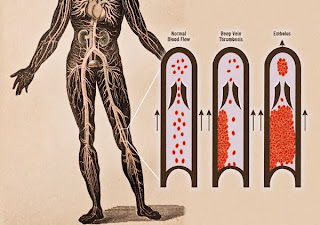
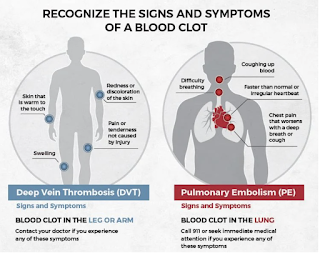
Have you heard of Deep Vein Thrombosis (DVT) or Pulmonary Embolism (PE)? Maybe you're more familiar with the term blood clots. 

Thousands of lives are lost each year to preventable blood clots, so during Blood Clot Awareness Month -- and throughout the year -- many in the medical community, including Dr. Cindy Asbjornsen, help to spread the word about this common condition. 

Know your risk

The first and most important thing you can do to protect yourself is to learn if you are at risk. 

People being treated for cancer, hospitalized with COVID-19, or getting hip or knee replacements are all at greater risk for developing blood clots. But did you know that even athletes may have increased risk factors too?

Read this risk checklist to learn more.

Signs and symptoms

Common symptoms of a blood clot in the leg or arm (also known as Deep Vein Thrombosis or DVT) include swelling, pain or tenderness (not caused by injury), redness or discoloration of the skin, or skin that is warm to the touch.

Symptoms of a blood clot in the lungs (also known as a Pulmonary Embolism or PE) include difficulty breathing, chest pain that gets worse when you breathe deep or lie down, coughing or coughing up blood, or a heartbeat that's irregular or faster than normal. 


If you experience any signs or symptoms of blood clots, don't ignore them! Let your doctor know, or seek medical attention right away.

Prevention

The good news about blood clots is that they are preventable. Once you consider your risk factors and learn the signs and symptoms, then take a look at your family history. If you learn that there is a history of blood clots in your family, tell your doctor and let other family members know. 

One important way to prevent blood clots is to not be immobile for too long. If you're confined to a bed either in a hospital or at home (especially following hip or knee surgery), talk to your doctor about your options for blood clot prevention. And if you've been sitting for a long time, including in a car or plane seat, get up and move! Stand up, stretch your legs, and try to take a brief walk every couple of hours. Try this simple exercise to keep the blood flowing.


Treatment

If you do develop blood clots, your physician can help you navigate the best treatment choices for your specific situation. Anticoagulants, or so-called "blood thinners," are commonly prescribed. (Note that these medications don't actually "thin" the blood; what they do is slow the body's ability to form new clots and stop existing clots from getting bigger.

Other treatment options can include compression stockings, thrombolytic therapy, and vena cava filters. You can learn more about blood clot treatment here. 

Monday, July 26, 2021

A lot of living to do - Happy Senior Citizens Day!


August 21 is Senior Citizens Day, a U.S. observance established in honor of older adults who have made positive contributions in their communities. The day is also a time to bring awareness of social and health issues that affect senior citizens – like veins!

Paying attention to venous health is an important aspect of successful aging – and one that has historically gone untreated. Many seniors have been told that heavy, aching legs are a normal part of aging, but that’s often not the case. There are solutions for venous insufficiency that make people feel better, no matter what their age.

Venous insufficiency occurs when healthy veins become damaged and allow the backward flow of blood into the lower extremities. This pooling of blood can lead to a feeling of heaviness, aching, and can cause skin changes, such as spider veins or a brown, woody appearance of the lower legs.

Seniors’ veins respond differently to everyday stress compared to that of a younger person’s because vein walls are primarily made of collagen. As the body ages, a decrease in the production of collagen causes the veins to become more brittle and the valves more likely to fail, especially in the superficial veins. Thus, there is a higher incidence of varicose veins in the elderly population.

Additionally, the skin begins to lose its elasticity and doesn’t respond to stress the way it once did. And because skin is the “end organ” of venous disease, ulcers can occur as a result of damaged veins.

Some seniors might think that “vein stripping” is the only option. While it was the go-to procedure for many years, treatment of venous disease today is vastly different. Breakthroughs in phlebology and new approaches to treatment involve less time and less pain, and they are overwhelmingly successful over the long term when performed by an experienced specialist.

The risk-benefit ratio makes treatment an ideal option for seniors. Although seniors have a 50% greater chance of suffering from vein disease, they have the same success with modern treatment options as anyone else.

Wednesday, April 28, 2021

Year of the Nurse


In 1993, the American Nurses Association (ANA) declared May 6 as the start of National Nurses Week. The annual celebration usually culminates on May 12, Florence Nightingale's birthday.


Last year, the World Health Assembly, the governing body of WHO, designated 2020 as the Year of the Nurse and Midwife -- and the ANA followed WHO’s lead by declaring a U.S. extension of the Year of the Nurse into 2021.


Nurses have always gone above and beyond to serve our communities, but since the pandemic started over a year ago, we've all seen the impact that nurses make every day. That's why ANA chose the theme "Nurses Make a Difference" to recognize the contribution of nurses during the month of May.


At the Vein Healthcare Center, we know how hard nurses work, and we're well aware that venous disease can be a real occupational hazard for nurses who are often on their feet for hours at a time. Here are just a few tips for how nurses can take care of themselves by taking care of their legs and feet. ANA is also providing videos and other resources to help nurses celebrate and participate.


Happy National Nurses Week, Month, and Year to all of the nurses out there. Thank you for everything you do!


Visit the Vein Healthcare Center in South Portland, Maine to learn more about the symptoms of vein disease and how to treat it.


Wednesday, February 19, 2020

One Chef's Perspective

Joshua B. is a chef. Years in the restaurant business have kept him on his feet for extended periods of time, which— combined with a family history of varicose veins— was a recipe for unhealthy legs. 

“I started getting varicose veins in high school, but as unsightly as they were, they never really bothered me,” said Joshua.

As the New Hampshire native got older, his veins got worse. They continued to get bigger and stay swollen for longer periods of time. Even crawling on the floor with his young kids was hard because of the varicose veins on his knees. But the self-proclaimed “tough guy” continued to live with the discomfort. When he was about 27 years old, however, he started to experience undeniable medical issues.

The skin covering Joshua’s veins gradually got thinner and thinner, especially on the insides of his ankles. Eventually the skin got so thin on the inside of his right ankle that it ruptured and began spraying blood “like a squirt gun coming out of the side of his foot,” as Joshua described it.

“It was scary. I didn’t know what to do, so I rushed to the emergency room where they gave me a Novocaine injection and stitches that stayed in for a week,” he said.

That was the first emergency. Ten months later another bleeder opened up higher up on Joshua’s right leg. He finally began to take the problem seriously
and went to two different doctors for treatment.

One physician encouraged vein stripping. The other physician advised against it but offered no alternatives. Joshua was confused: “I never really had a clear path of what to do.”

Finally, Joshua found his way to the Vein Healthcare Center. An ultrasound revealed the source of the problem, and Joshua worked with Dr. Cindy Asbjornsen on a treatment plan. He proceeded to have endovenous laser ablation (EVLA) on his right leg first, followed by his left leg two months later. Dr. Asbjornsen followed both EVLA procedures with sclerotherapy. As Joshua put it, the EVLA “dams up the river,” and then the sclerotherapy gets rid of the other streams leading up to it.

Joshua was nervous before the procedures, but found that it was a lot easier than he expected. Although his goal was to restore healthy venous return
in his legs, he’s been surprised by how much more comfortable and confident he feels.

“I’m not as apprehensive about wearing shorts and showing off my legs now, because before they were gnarly and bumpy,” he said. “They’re not Tom Brady’s legs yet, but they look much better than they did.”

Overall, the experience has been an educational one for Joshua. Once he really understood what varicose veins were and what his specific problem was, he couldn’t wait to fix it. In fact, he wishes a vein exam could be part of every general physical.

“It’s a quick thing to look at someone’s legs to see if there are varicosities. There are a lot of possible treatments, and the earlier you start the better off you are.”

Click here to read more about real patients' experiences with vein disease and treatment. If you have any questions, we encourage you to contact us at the Vein Healthcare Center!

Monday, January 20, 2020

10 Tips To Make Your Legs Feel Better


If your legs feel achy or tired, it may be a venous issue. Best to check with a vein specialist for a thorough evaluation. (See tip #10 below!)


In the meantime, there are things you can do to alleviate your discomfort and perhaps even prevent your symptoms from progressing:


1. Elevate. Elevate your legs above your heart as often as possible -- for as long as 30 minutes or as briefly as three minutes. The best time is after you have been standing or after a hot shower.


2. Wear loose-fitting clothing. Avoid tight-fitting clothes around your legs and waist. It will help by not impeding circulation in your lower body.


3. Avoid high heels. High-heeled shoes shorten the muscles in the back of your leg and prevent deep veins from operating at their full capacity.


4. Sit properly. Focus on good posture and avoid crossing your legs  or sitting in ways that can compress veins for prolonged periods.


5. Walk. Walking causes the rhythmic contraction of calf muscles and helps promote blood flow to the heart. Walk at least 30 minutes every day – all at once, or in shorter increments.


6. Take a break. Take frequent walking breaks to avoid sitting or standing for periods of more than two hours.


7. Wear compression stockings. Wearing compression stockings purchased from your pharmacy will help promote the flow of blood when you are flying, on your feet for long periods, or carrying heavy loads.


8. Don’t smoke. Smoking and exposure to second-hand smoke constricts veins and affects overall circulation.


9. Know your history. Women with a family history of vein disorders, or those who have relatives with varicose veins, should wear compression stockings during menarche and menopause, and during pregnancy – most importantly, during the first trimester.


10. See a vein specialist. Contact a board certified phlebologist for a screening and evaluation, or to find out more about risks, prevention, and treatment of venous disease.

To make an appointment with Dr. Cindy Asbjornsen, founder of the Vein Healthcare Center, click here or call 207-221-7799. We can help make your legs feel better!

Wednesday, November 27, 2019

Compression: How To Put It On & Take It Off

At the Vein Healthcare Center, we've said it before and we'll keep on saying it: we love compression!

To help patients better understand how to put on and take off their compression stockings -- what they refer to in vein care as "donning and doffing" -- we've adapted this downloadable guide from our friends at medi-usa.


If you have any questions about compression, please contact us at 27-221-7799 or email info@veinhealthcare.com. If you're interested in taking the next step in vein care, click here to learn more.

Tuesday, May 21, 2019

To stand or not to stand?

Standing desks are all the rage at workplaces now. But are they actually good for your health?

Dr. Cindy Asbjornsen says that specific to vein health, the short answer is: maybe.

In 2015, a meta-analysis in the Annals of Internal Medicine found that “prolonged sedentary time was independently associated with deleterious health outcomes regardless of physical activity." 

The studies showed that physical inactivity (the fourth-leading risk factor for death for people all around the world, according to the World Health Organization) can lead to premature death from cardiovascular issues and cancer, as well as cause chronic conditions such as Type 2 diabetes.

Too much sitting can also increase the risk of getting varicose veins. If you already have vein issues, you may notice that symptoms get worse after sitting for prolonged periods of time.

So is standing any better? Compared with the research on prolonged sitting, relatively little research has been done to study the health effects of prolonged occupational standing. The few studies that do exist have demonstrated a relationship between prolonged standing at work and various health outcomes such as elevated risk of heart disease and musculoskeletal pain. 

We covered this subject in a previous issue of Vein Health News. In the article “Standing on the job: How at-risk occupations put a strain on veins,” we discussed the risks of people with jobs that keep them on their feet all day, such as teachers, hair dressers, medical professionals, and many others. We can add to that list people who work at a standing desk all day.

From a venous standpoint (so to speak), remaining in the same position too long – whether you’re sitting or standing – leads to poor blood circulation (hydrostatic venous pressure) and blood pooling in the lower limbs, which can lead to varicose veins over time.

If you do opt for a standing desk, consider using a balance board to keep you continuously contracting and relaxing your calf muscles, not to mention strengthening your core muscles. (Whether this helps with work productivity depends on the individual!)


If you choose to stick with a traditional sitting desk, an exercise ball chair, motion stool, or “wobble chair,” can provide you with the same kind of calf muscle readjustments throughout the day.

There are also adjustable desks that allow you to switch between sitting and standing positions throughout the day.

In conclusion, if you find standing desks more comfortable or effective, then by all means, use one. 

Regardless of the kind of desk you use, take regular breaks from standing or sitting for extended periods of time. Set your alarm to remind you to take a brief walk, or simply do some deep knee bends, or other stretching exercises. 

Perhaps the simplest circulation-promoting exercise is the calf pump. In this simple toe-tap exercise, you tap both of your feet for a minute or two, going back and forth between heels and toes. This squeezes the deep veins in the legs and forces the blood to circulate through the leg. It feels great whether you’ve been sitting or standing for a long period of time. 

To learn more about venous health and treatment of varicose veins, spider veins, and related issues, contact us at the Vein Healthcare Center.

Tuesday, April 23, 2019

Healthy Veins seminar with Dr. Cindy

Dr. Cindy Asbjornsen, Founder of the Vein Healthcare Center, truly loves to educate people -- patients and doctors, alike -- about vein health.

Dr. Asbjornsen recently gave a community seminar at Coastal Pharmacy & Wellness in Portland, Maine, where she discussed the basics of how veins work...and what to do when they don't. And, she explained what phlebology is!

Participants asked tons of great questions, including what do do about the so-called "Economy Class Syndrome" and DVT. 

Dr. Asbjornsen explained that you don't need to be in economy class (or even on an airplane) to be at risk for bad circulation. It's really about sitting in the same position for too long. A long car ride, for example, can have the same effect. 

Dr. Cindy's simple and practical advice for keeping your veins healthy during a lengthy car ride is three-fold. One, do the calf pump frequently (also known as "the foot pump"). Two, stay hydrated. Three, stop for restroom breaks! That will get your calf muscles moving AND give you a reason to keep drinking water during the ride.

Click here to watch the vein seminar. Click here to contact schedule an appointment, or to ask us any questions. We look forward to hearing from you!

Tuesday, March 26, 2019

Meet our team, part 2

In our last post we introduced you to Manny and Brad, our Technical Director and  Vascular Ultrasound Technician, respectively.

We'd like to introduce you to some people you are also likely to encounter as a patient of the Vein Healthcare Center.

Throughout your time at VHC, our receptionist Mallory Parlin may be the first person You'll talk to-- and the last! She schedules new patients and assists them with paperwork, as well as answers questions about insurance or compression. Mallory's goal is to make sure that patients leave her desk without any worries.

Our medical assistants are Meghan Lanci and Hayley Quirion. Both Meghan and Hayley prepare patients for their appointments, assist with procedures, and provide administrative support. And both strive to make patients feel comfortable and welcome.

The Vein Healthcare Center runs smoothly, thanks in large part to Sarah Tremblay, VHC's Office Manager. Her role is to plan the schedule, handle insurance authorizations, and answer any questions patients may have about their coverage. Before becoming Office Manager a year ago, Sarah was Dr. Asbjornsen's medical assistant for four years. She says that after working at VHC for more than five years now, she's seen many patients improve their overall health.  

If you'd like to learn more about your venous health, click here. And if you'd like to learn more about our staff, click here. We're looking forward to working with you toward better health!